Iran war: Israel says it killed Iran's security chief Ali Larijani, one of the country's most senior officials — as it happened
Iran security chief Ali Larijani. (Supplied)
Israel has claimed to have killed Iran's security chief, Ali Larijani, widely seen as one of the most powerful figures in the country, as Iran reportedly rejects offers to de-escalate the war until Israel and the US are "brought to their knees".
Israel's defence minister Israel Katz said that Israeli forces had killed Larijani and Gholamreza Soleimani, who led the volunteer Basij militia that plays a major role in domestic security.
A statement from the prime minister's office said Benjamin Netanyahu had ordered "the elimination of senior officials of the Iranian regime".
There was no immediate response from Tehran to Mr Katz's remarks.
Iranian state media published a handwritten note by Larijani commemorating Iranian sailors killed in a US attack whose funeral was expected on Tuesday.
Larijani would be the most senior figure assassinated since Supreme Leader Ayatollah Khamenei was killed on the first day of Israeli-US air-strikes on February 28.
There was no let-up in attacks by both sides early on Tuesday, with Iran launching missiles on Israel overnight, underscoring that Tehran retains the capacity to carry out long-range strikes despite more than two weeks of pounding by US and Israeli weapons.
The Israeli military said it was targeting "Iranian regime infrastructure" with a new wave of strikes across Tehran, as well as Hezbollah sites in Beirut, a day after saying it had drawn up detailed plans for at least three more weeks of war with Iran.
New ayatollah rejects peace overtures
The killing of two senior members of the regime came amid reports Iran's new supreme leader, Ayatollah Mojtaba Khamenei, was rejecting de-escalation proposals, according to one senior official speaking to news agency Reuters.
The senior official, who asked not to be identified, said two intermediary countries had conveyed proposals to Iran's Foreign Ministry for "reducing tensions or ceasefire with the United States".
The official did not give further details of the proposals or the intermediaries.
Israel has shown no signs of let up in its bombing campaign against Iran. (Reuters/Majid Asgaripour/WANA)
Ayatollah Khamenei, who had held his first foreign policy session since being named supreme leader, had responded that it was not "the right time for peace until the United States and Israel are brought to their knees, accept defeat, and pay compensation", the official said.
He did not clarify whether Khamenei, who has not yet been pictured since being named last week to replace his slain father, had attended the meeting in person or remotely.
The US-Israeli war on Iran is now in its third week, with at least 2,000 people killed and no end in sight.
The Strait of Hormuz remains largely closed off and American allies have rebuffed US President Donald Trump's calls for them to help to reopen the vital waterway, through which about 20 per cent of global oil and liquefied natural gas flows.
Global oil prices have jumped significantly as Tehran threatens ships trying to navigate the Strait of Hormuz. (ABC News Graphics)
Trump says attacks on Gulf countries a surprise
Iran has responded by attacking its Gulf neighbours, which Mr Trump has said was unexpected.
Six foreign diplomats in the Middle East have told Reuters it was widely anticipated that Tehran would target Gulf Arab states if the US or Israel attacked Iran, an assessment they said was shared by regional and Western governments.
Gulf Arab states, including the UAE, have faced more than 2,000 missile and drone attacks since the start of war on Iran on February 28, striking US diplomatic missions and military bases as well as oil infrastructure, ports, airports, ships and residential and commercial buildings.
Oil loading at the United Arab Emirates port of Fujairah was at least partly halted on Tuesday after a third attack in four days caused a fire at the export terminal.
Fujairah is important as it lies on the far side of the Strait of Hormuz from the Gulf, making it one of the few ports from which the region's oil can be shipped without passing through the blockaded waterway.
The cascading disruptions threaten to completely sever the OPEC producer's remaining crude export outlet from global markets, potentially deepening a crisis that has sent energy prices surging.
UAE authorities said debris from an intercepted ballistic missile also fell in Abu Dhabi's Bani Yas area, killing one Pakistani national, while a fire caused by a drone attack was being fought at Abu Dhabi's Shah gas field.
Oil prices jumped about 4 per cent on Tuesday and stock futures slipped as investors fretted about a renewed spike in inflation as the conflict drags on.
Take a look back at how events unfolded.
Key Events
Submit a comment or question
Live updates
We are ending our live coverage

This is where we'll leave you for the night. Thanks for joining us on our rolling coverage.
We'll be back tomorrow morning with a new blog bringing you the latest developments in the Middle East war.
Here’s a recap of some of today’s key developments:
- Israel says it has killed Iran's security chief, Ali Larijani, who is one of the country's most senior officials. If confirmed, it would represent a major blow to the regime.
- Israel also say it killed killed the leader of Iran's Basij Resistance Forceand other senior Basij figures in an air strike.
- Australia and New Zealand are jointly calling for an end to the war. Defence Minister Richard Marles, Foreign Affairs Minister Penny Wong, and their counterparts across the Tasman say hostilities should end as quickly as possible.
- Meanwhile, Israel is deploying more troops to Lebanon as its "limited ground operation" on its northern neighbour continues.
- Iran says it has arrested 10 foreigners, alleging their had been collecting information on sensitive sites and preparing field operations.
Iran asks United Nations member states to condemn US-Israel attacks
Iran's Foreign Minister Abbas Araqchi has asked United Nations member states to condemn the US-Israel attacks on his country.
He added that disruptions in the Strait of Hormuz cannot be addressed independently from the war.
Araqchi said he spoke with UN Secretary-General Antonio Guterres about the ongoing war.
US National Counterterrorism Center director resigns over war in Iran
The head of the United States' National Counterterrorism Center, Joseph Kent, has resigned over the US-Israel war in Iran.
In a letter he sent to Donald Trump, he said "Iran posed no imminent threat to our nation".
"I cannot in good conscience support the ongoing war in Iran. Iran posed no imminent threat to our nation, and it is clear that we started this war due to pressure from Israel and its powerful American lobby," he added.
Netanyahu says Larijani killing gives Iranians chance to overthrow rulers
Israeli Prime Minister Benjamin Netanyahu says the killing of Tehran's national security chief Ali Larijani was part of efforts to give Iranians a chance to remove their rulers.
"This morning we eliminated Ali Larijani, the boss of the Revolutionary Guards, which is the gang of gangsters that actually runs Iran," Netanyahu said in a televised statement.
He said the overthrow of the clerical authorities by Iranians "will not happen all at once, it will not happen easily".
"But if we persist in this — we will give them a chance to take their fate into their own hands."
Reporting with AFP
Iran cracks down on Starlink
Iran's intelligence ministry says it has confiscated hundreds of Starlink systems in a nationwide operation, according to the state-affiliated Tasnim news agency.
The satellite internet service, owned by Elon Musk, has been a vital way for Iranians to continue communicating with the outside world.
Iran's regime has implemented internet blackouts both during this current war with Israel and the US, and throughout nationwide protests earlier this year, to crack down on the flow of information between Iranians and with the outside world, but Starlink systems have provided a backchannel.
Larijani, the man whose power grew during the war in the Middle East
Ali Larijani saw his power grow during the current war in the Middle East.
After the killing of Ayatollah Ali Khamenei at the start of the war, Iran's security chief Larijani became even more powerful than he had been for decades.
Take a closer look at his rise from a member of the Revolutionary Guard, to a key figure in the regime.
Oil tankers 'starting to dribble through' Strait of Hormuz, says White House
Oil tankers are beginning to cross the Strait of Hormuz, White House economic adviser Kevin Hassett told CNBC.
He added Iran's actions to choke traffic through the shipping route have not hurt the US economy.
"Already you're seeing tankers are starting to dribble through the straits, and I think it's a sign of how little Iran has left," he said.
"We're very optimistic that this is going to be over in the short run, and then there will be price repercussions when it is over for a few weeks, as the ships make it to the refineries."
Reporting with Reuters
UN warns of worsening hunger crisis if war continues
The World Food Programme, which is a body of the United Nations, says the ongoing war could push an extra 45 million people into acute hunger within three months.
That troubling possibility would be the rest of price rises for food, oil and shipping costs.
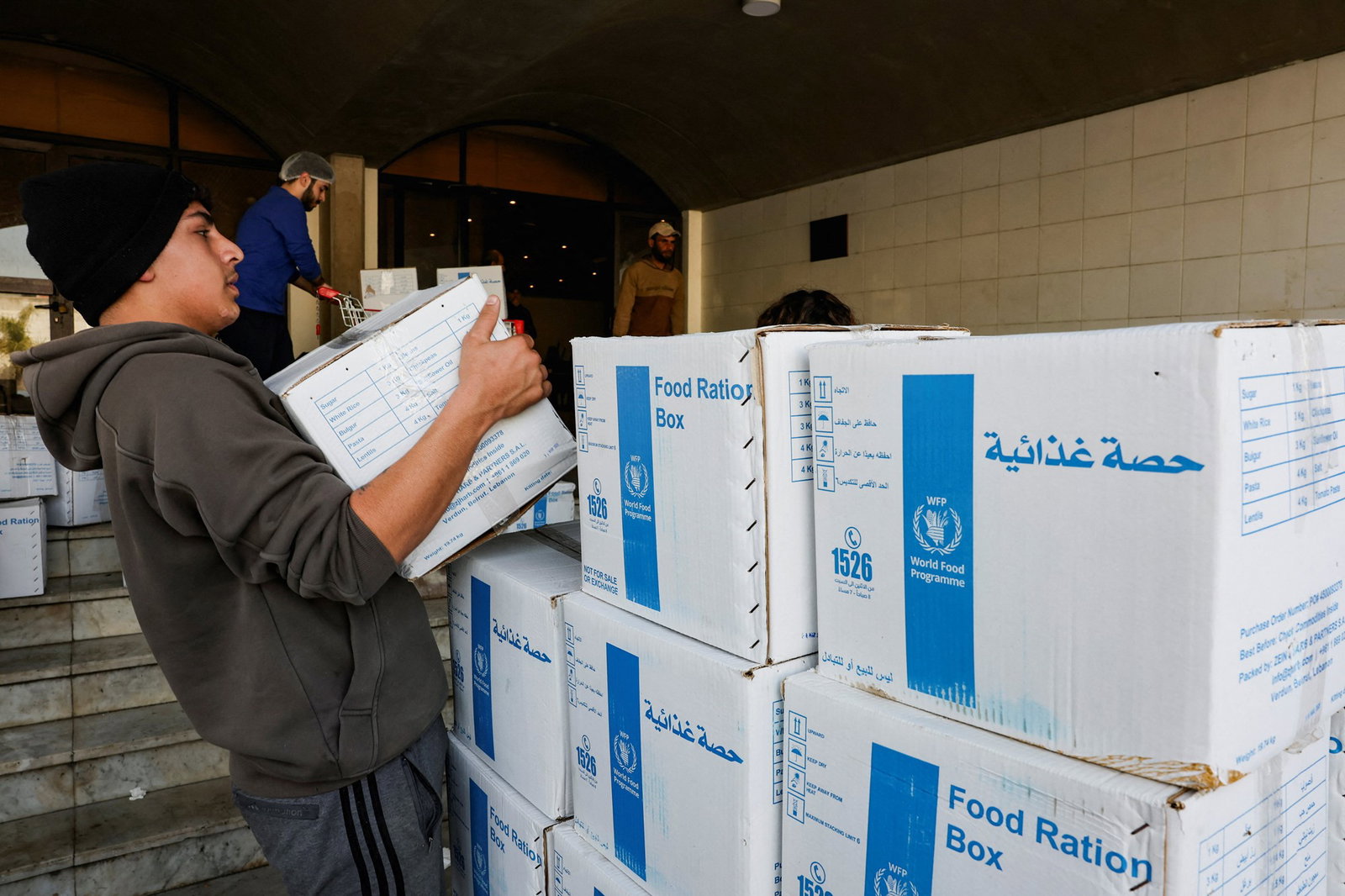
The WFP estimates that currently 319 million people are experiencing acute hunger globally.
If the war between Iran, Israel and the US continues through to June, the organisation estimates that tally will be pushed even higher.
Reporting with Reuters
Israel launches fresh wave of air strikes on Tehran
The Israeli military has confirmed a new wave of air strikes on Iran is underway "after the elimination of the senior officials".
"IDF launches wave of extensive strikes targeting infrastructure of the Iranian terror regime across Tehran," an Israeli military account posted on social media.
Russian envoy says new supreme leader not in Moscow
Iran's ambassador to Russia, Kazem Jalali, has denied a media report that the country's new Supreme Leader Ayatollah Mojtaba Khamenei is receiving medical treatment in Moscow, the Russian state TASS news agency reported on Tuesday.
Kuwaiti newspaper Al-Jarida reported over the weekend that the 56-year-old, who was reported to have been severely injured in a US-Israeli air strike that killed his father, had been moved to Moscow for medical treatment on President Vladimir Putin's personal invitation.
The new ayatollah, who has not been seen since being appointed as the country's supreme leader, instead released a written statement.
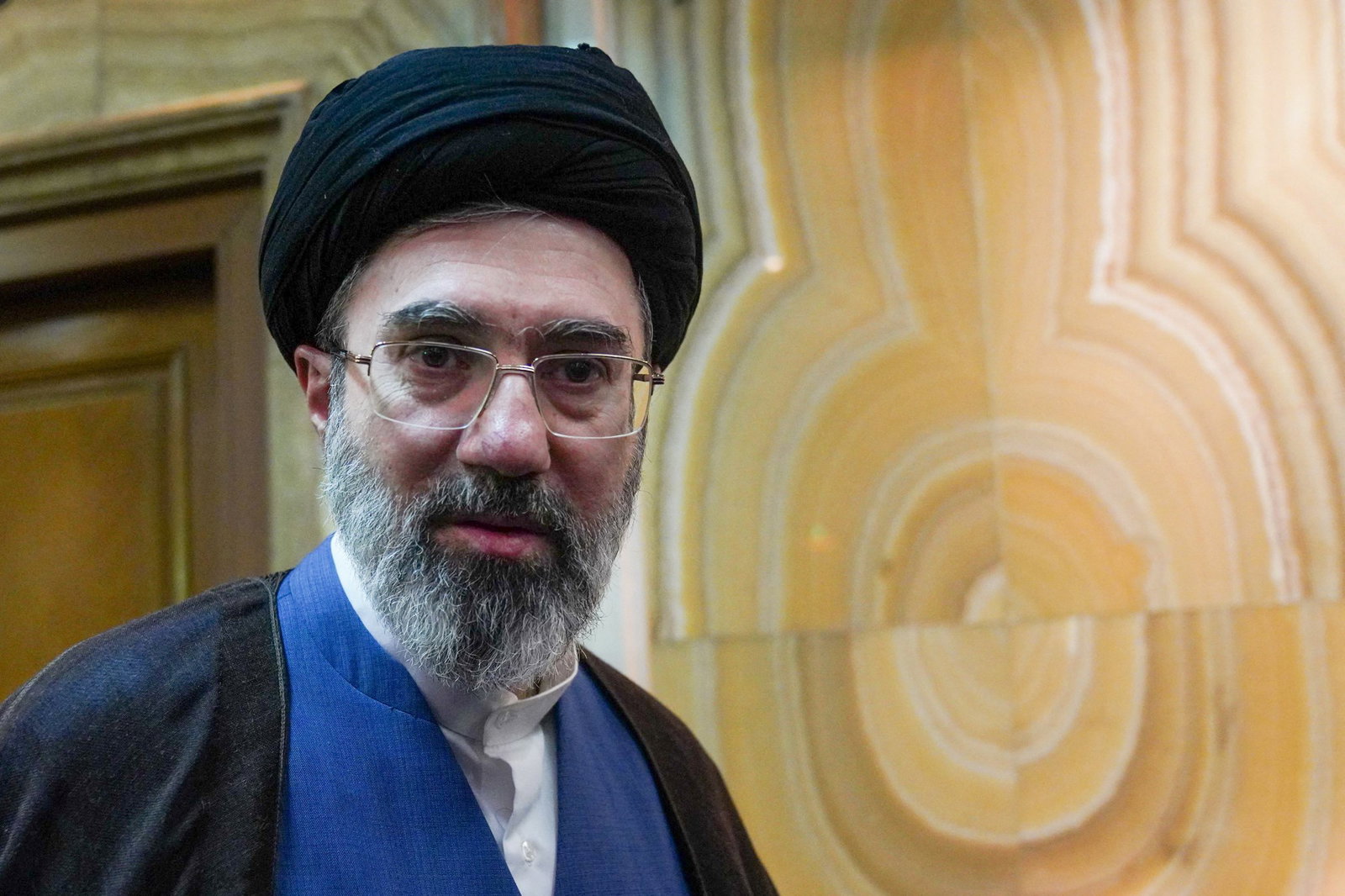
He also provided a statement earlier today to politicians in Iran, rejecting proposals for reducing tensions with the United States, but it was not clear whether that statement was delivered in person or not.
The Kremlin declined to comment on the original media report.
Reporting with Reuters
Analysis: Larijani killing highest-level assassination since Ayatollah
The death of Ali Larijani — confirmed by the IDF — marks the highest-level assassination in the war since US-Israeli air strikes killed former supreme leader Ayatollah Ali Khamenei 18 days ago.
Larijani was last seen in public on Friday at the al-Quds day rally in support of Palestinians in Tehran.
A former nuclear negotiator, long-time powerbroker and close ally of Khamenei, he was a crucial figure in Iran and was handed enormous responsibility in the final days before the supreme leader's death. He was one of Khamenei's most trusted confidants.
In the power vacuum that followed, Larijani effectively became the man running Iran behind the scenes, steering its security strategy, and overseeing the war effort against Israel and the United States.
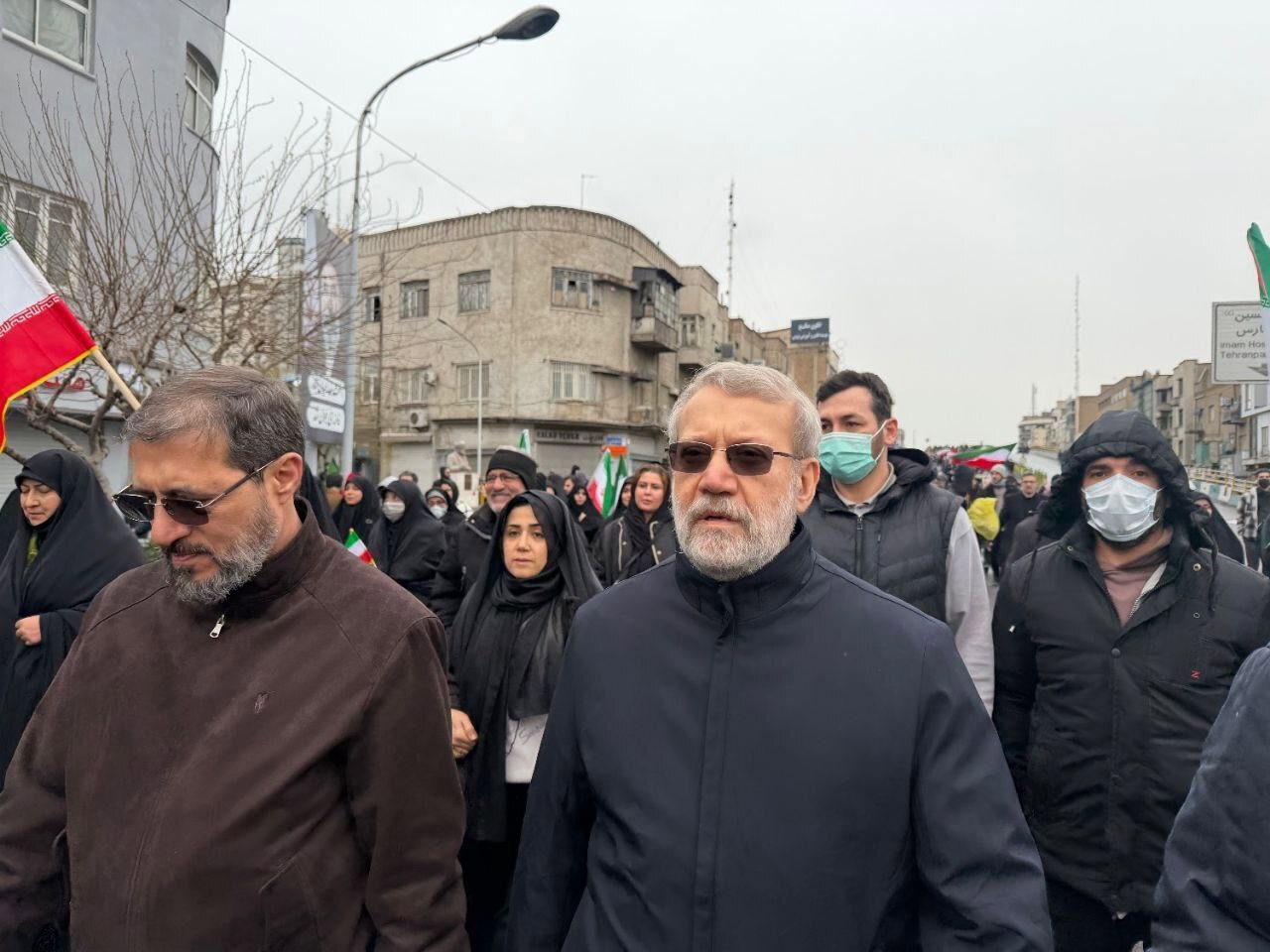
The 67-year-old quickly emerged as one of the most forceful voices of Iranian defiance. Just 24 hours after Khamenei's death, he posted a stark warning online:
"America and the Zionist regime [Israel] have set the heart of the Iranian nation ablaze."
"We will burn their hearts. We will make the Zionist criminals and the shameless Americans regret their actions."
Larijani was no stranger to power, a former Speaker of Parliament and two-time presidential candidate, though often seen as lacking the religious credentials needed for Iran's top job.
He was handed the task of overseeing Iran's security in January and widely seen as being responsible for the brutal crackdown on anti-regime protesters in Iran, which resulted in the deaths of tens of thousands of people.
In a final twist, a handwritten note has appeared on his social media account after his reported death, commemorating Iranian sailors killed in recent US strikes, whose funerals are expected on Tuesday.
Missile debris kills Pakistani worker in Abu Dhabi
A Pakistani national has been killed by falling debris in Abu Dhabi after the interception of an incoming missile, Pakistan’s embassy has said.
It was the third announced death of a Pakistani national in the Emirates since the start of the war.
The plight of south Asian and south-east Asian workers in Gulf states has been a source of concern as the conflict has continued, with many workers subject to poor employment rights and safety regulations.
Israeli military targets head of Palestinian jihad group
The Israeli military says it has targeted Akram al-Ajouri, head of the military wing of the group Palestinian Islamic Jihad, in a strike in Iran.
"We conducted a strike against Akram al-Ajouri," a military official told reporters during a briefing, adding that the "senior commander in the Islamic Jihad of Gaza" had been living in Iran and had not been confirmed killed.
The Palestinian Islamic Jihad, an ally of Hamas backed by Iran that is active in the occupied West Bank and Gaza, took part in its ally's unprecedented October 7, 2023 attack on Israel that sparked the war in Gaza.
As we've been following, Israel has in the past few hours announced strikes which it says has killed senior members of Iran's regime.
Reporting with AFP
Iran's new supreme leader rejects proposals for reducing tensions with US
Iran's Supreme Leader Ayatollah Mojtaba Khamenei has rejected proposals for reducing tensions or for a ceasefire with the United States, a senior Iranian official said.
The official, who remained anonymous, said proposals were conveyed to Tehran by two intermediary countries.
Khamenei's stance for revenge against the US and Israel was "very tough and serious" in his first foreign policy session, the official said.
The supreme leader said it was not "the right time for peace until the United States and Israel are brought to their knees, accept defeat, and pay compensation," the anonymous official added.
It was not clear whether or not this statement from the new supreme leader was made in person or not.
Reporting with Reuters
Blasts heard in Jerusalem
A series of blasts were heard in Jerusalem after sirens sounded in northern Israel following a warning that Iran had fired missiles.
"The IDF identified missiles launched from Iran toward the territory of the State of Israel. Defensive systems are operating to intercept the threat," the Israeli military said.
Basij commander killed in a tent, Israeli military source says
Israel says it killed the head of Iran's Revolutionary Guard's all-volunteer Basij force in a combat tent alongside other Basij commanders.
An anonymous source from within the Israeli military said General Gholam Reza Soleimani had been holed up in a tent due to intel that Israel was targeting their regular bases.
Israel's military announced it had killed Basij chief Soleimani "in a precise strike in Tehran".
The office of Israeli PM Benjamin Netanyahu posted a photo it claims is the moment he "ordered the elimination of senior figures in the Iranian regime".
A recap of today's big developments
Good evening, if you're just joining us, here's a look at the major developments we've been following as war continues in the Middle East:
- Israel says it has killed Iran's security chief, Ali Larijani, who is one of the country's most senior officials. If confirmed, it would represent a major blow to the regime.
- Australia and New Zealand are jointly calling for an end to the war. Defence Minister Richard Marles, Foreign Affairs Minister Penny Wong, and their counterparts across the Tasman say hostilities should end as quickly as possible.
- Meanwhile, Israel is deploying more troops to Lebanon as its "limited ground operation" on its northern neighbour continues.
- Iran says it has arrested 10 foreigners, alleging their had been collecting information on sensitive sites and preparing field operations.
- A tanker has reportedly been struck by an unknown projectile near the Strait of Hormuz. Global oil prices have jumped amid concerns about tankers navigating the narrow passage to Iran's south.
- An ex-Iranian footballer tells the ABC she fears for the athletes who decided to return to Iran. Seven members of the team, including a player handler, were granted humanitarian visas by the Australian government last week, but five later changed their minds.
Stay with us as our teams bring you the latest from the region.
Handwritten letter from Larijani posted on social media accounts
Shortly after Israel's defence minister claimed that Ali Larijani had been killed, his social media accounts posted a handwritten letter.
The letter from Iran's security chief paid respects to the "valiant martyrs" of Iranian navy and army members.
"Their memory will forever remain in the heart of the Iranian nation, and these martyrdoms will strengthen the foundation of the Islamic Republic's Army for years to come within the structure of the armed forces," it reads.
Israel says it has killed Iran's security chief Larijani
Israel's Defence Minister Israel Katz says that Iran's security chief Ali Larijani had been killed in an Israeli strike.
There was no confirmation from Iran.
Larijani served as secretary of Iran’s Supreme National Security Council.
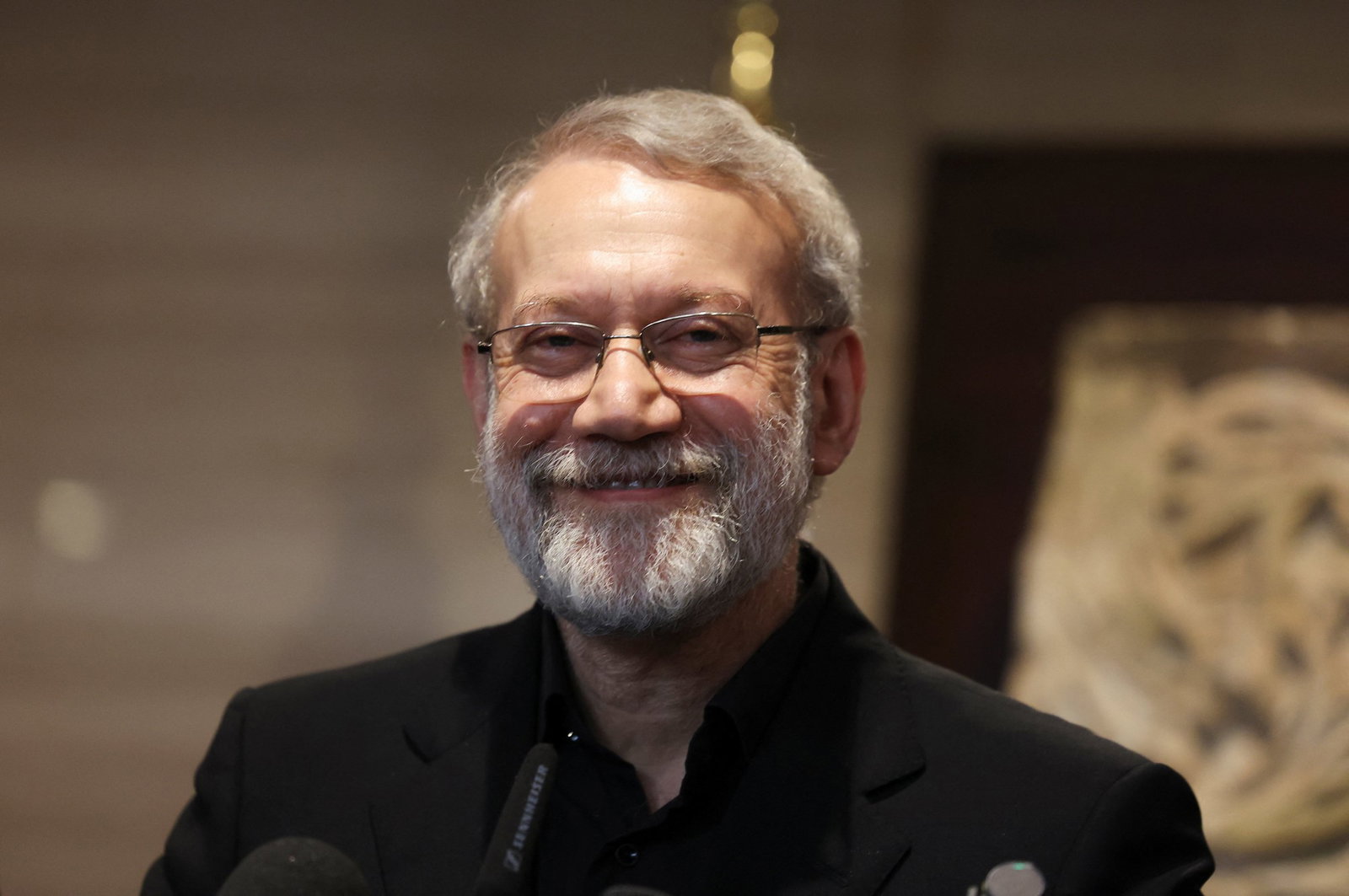
Iranian state media have published a handwritten letter from Larijani.
If his death is confirmed, he would be the most senior Iranian official to be killed after the supreme leader Ayatollah Ali Khamenei, who died on the first day of the war.
We will bring you more information as we have it.
Australia to share data from surveillance plane with the US
Defence Minister Richard Marles has confirmed intelligence gathered by an Australian surveillance aircraft deployed to support Gulf states can be accessed by the United States.
The data will potentially help the US pinpoint its strikes on Iran.
A Wedgetail was deployed last week at the request of the United Arab Emirates, and the federal government maintains it is a defensive-only mission.
Read more here: